I’m a planetary scientist at NASA Johnson Space Center, in the Astromaterials
Research and Exploration Science (ARES) division. I study small bodies —
asteroids and comets — to understand how the solar system formed and how it has
changed since.
Most of what we know about that history comes from meteorites, and meteorites are
a badly biased sample. We have the samples, but we don’t know how they were
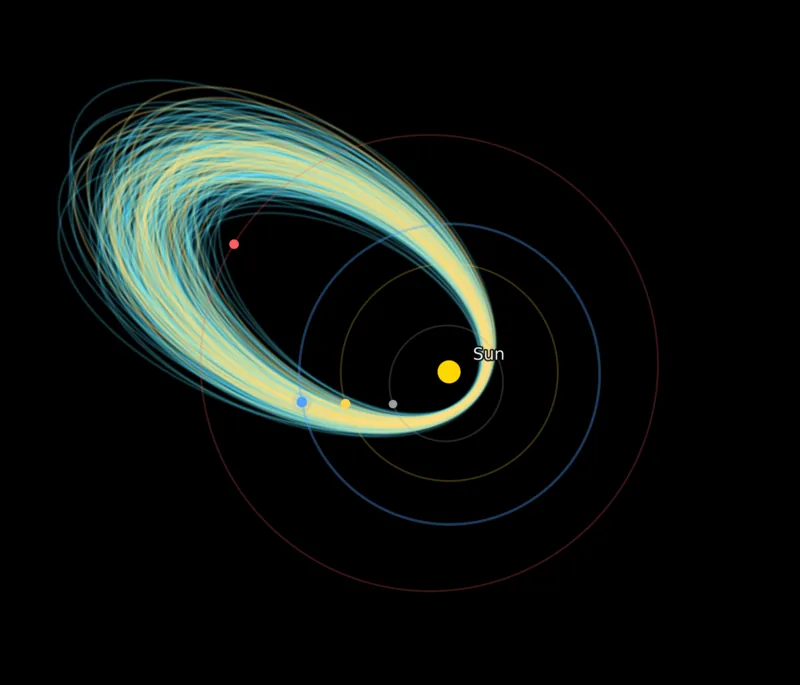
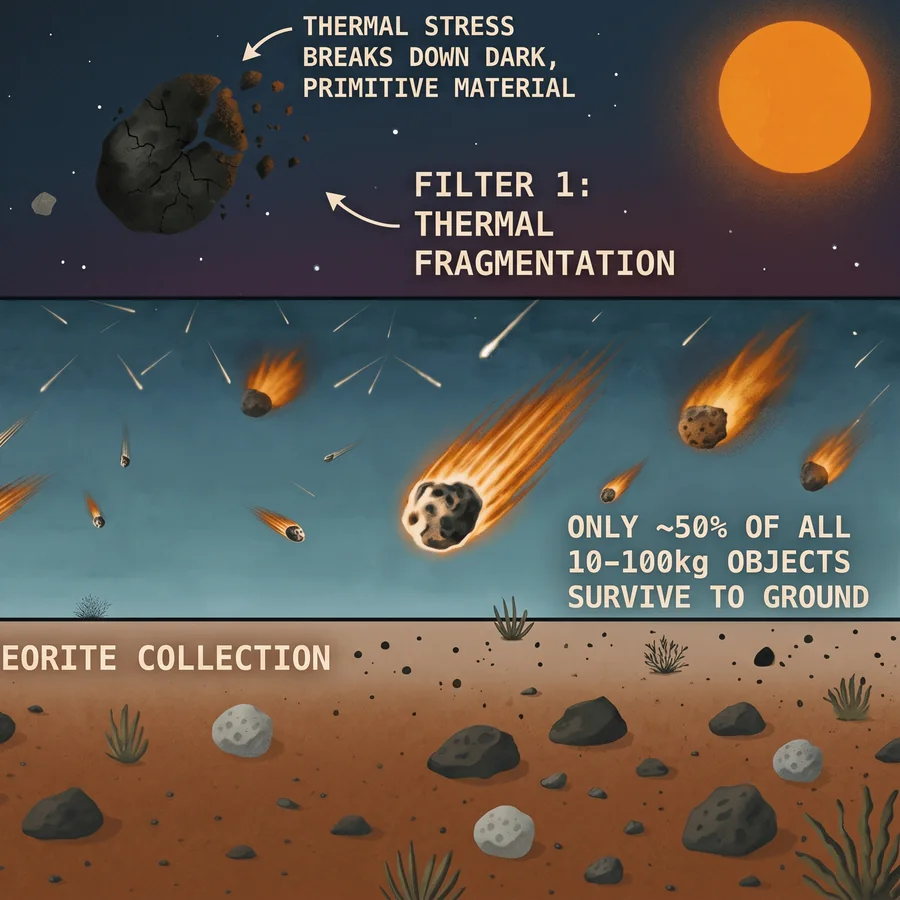
sampled. Before a rock reaches a collection it has to survive
repeated close passes to the Sun, then
atmospheric entry, then a search that has to find it, and each of those steps
preferentially destroys a particular kind of material. Working out what that
selection removes is what makes the samples interpretable.
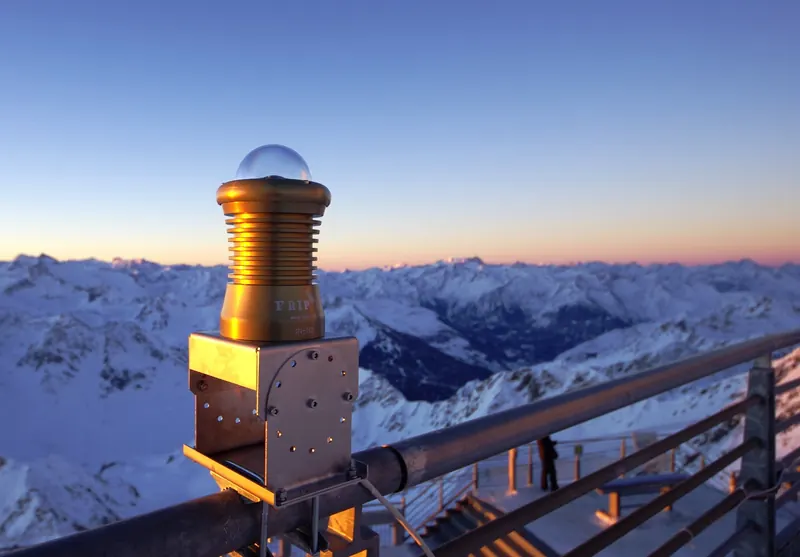
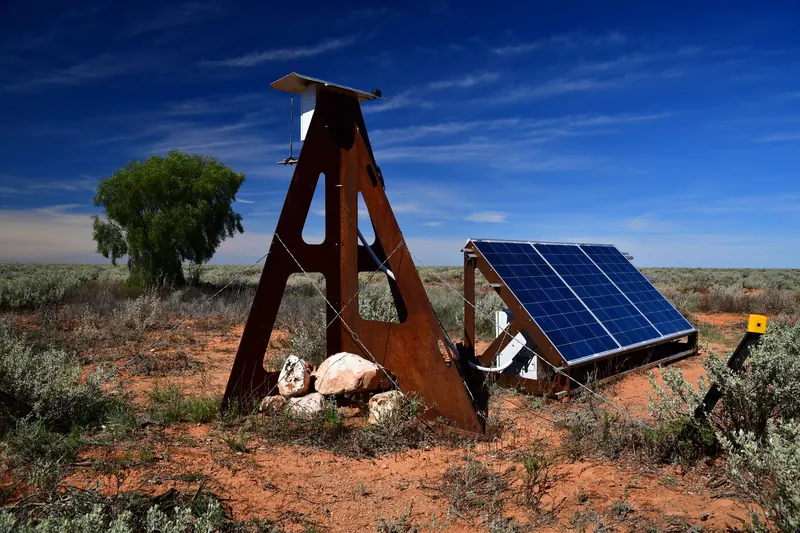
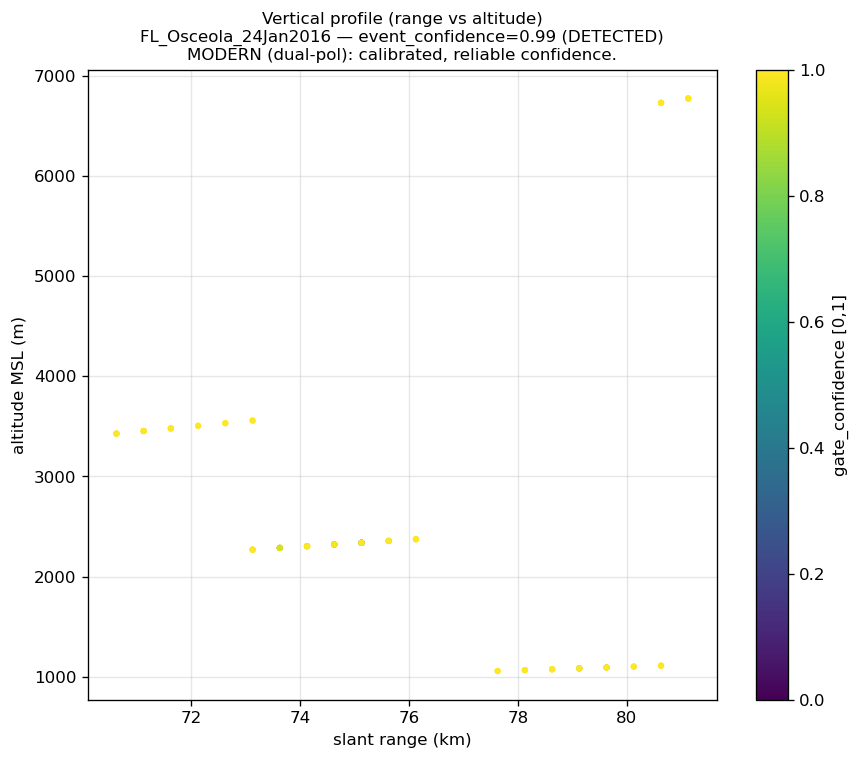
Most of my work combines all-sky fireball camera networks with Doppler
weather radar, and compares both against
asteroids and comets observed telescopically. At
NASA I’m using Bayesian methods to
combine optical fireball observations with radar,
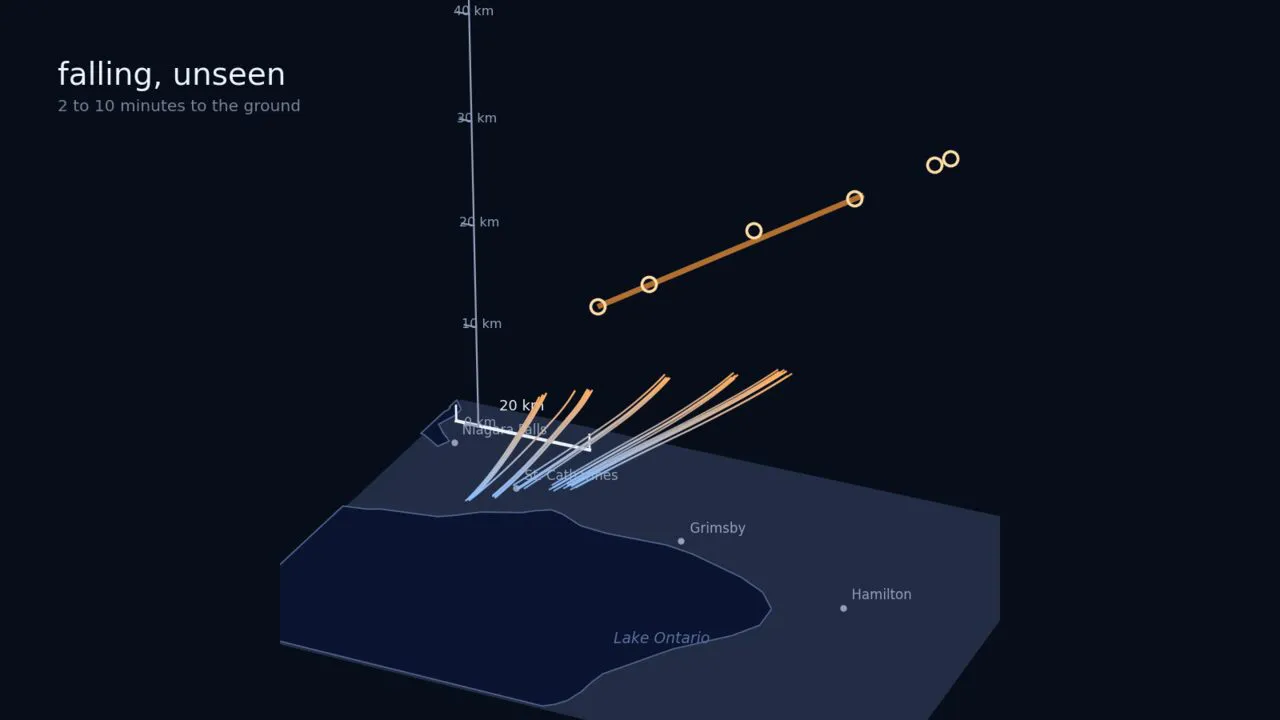
which gives better dark-flight trajectories, better predictions of where
meteorites land, and a clearer view of the fragmentation and ablation a rock goes
through on the way down — all of which can be tied back to what telescopes saw
before it arrived.
The goal is to make the whole sequence routine: observe an object in space, record
its entry with cameras, radar, infrasound, seismometers and spectra, then recover
pieces of it on the ground. That matters most for objects 10–100 m across,
small enough for surveys to miss and large enough to do damage, so the same
measurements that tell us how the solar system is put together also feed
planetary defense.
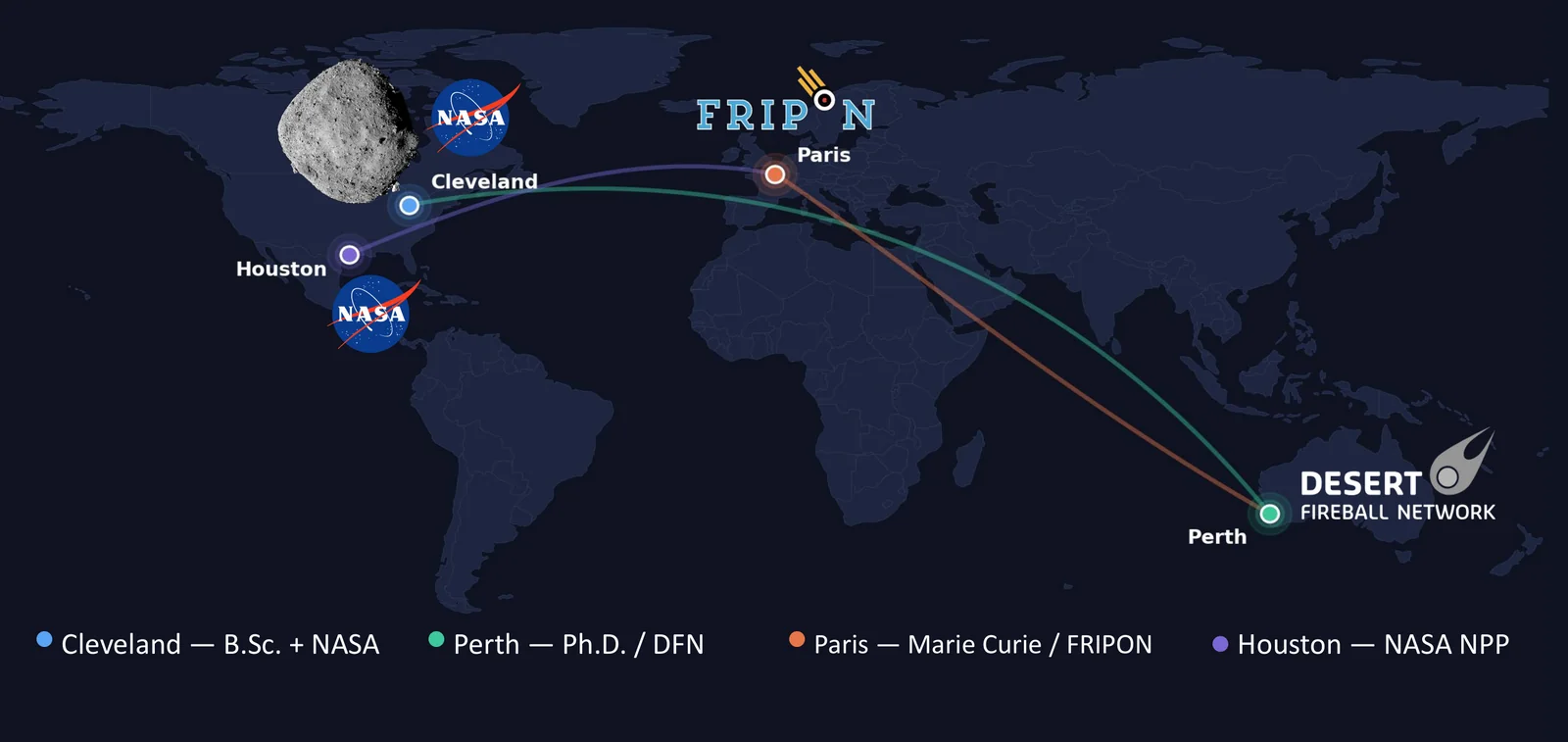
I earned my PhD at Curtin University in 2022 with the Desert Fireball Network,
spent two years at Paris Observatory, and asteroid
(33964) Patrickshober is named after me.